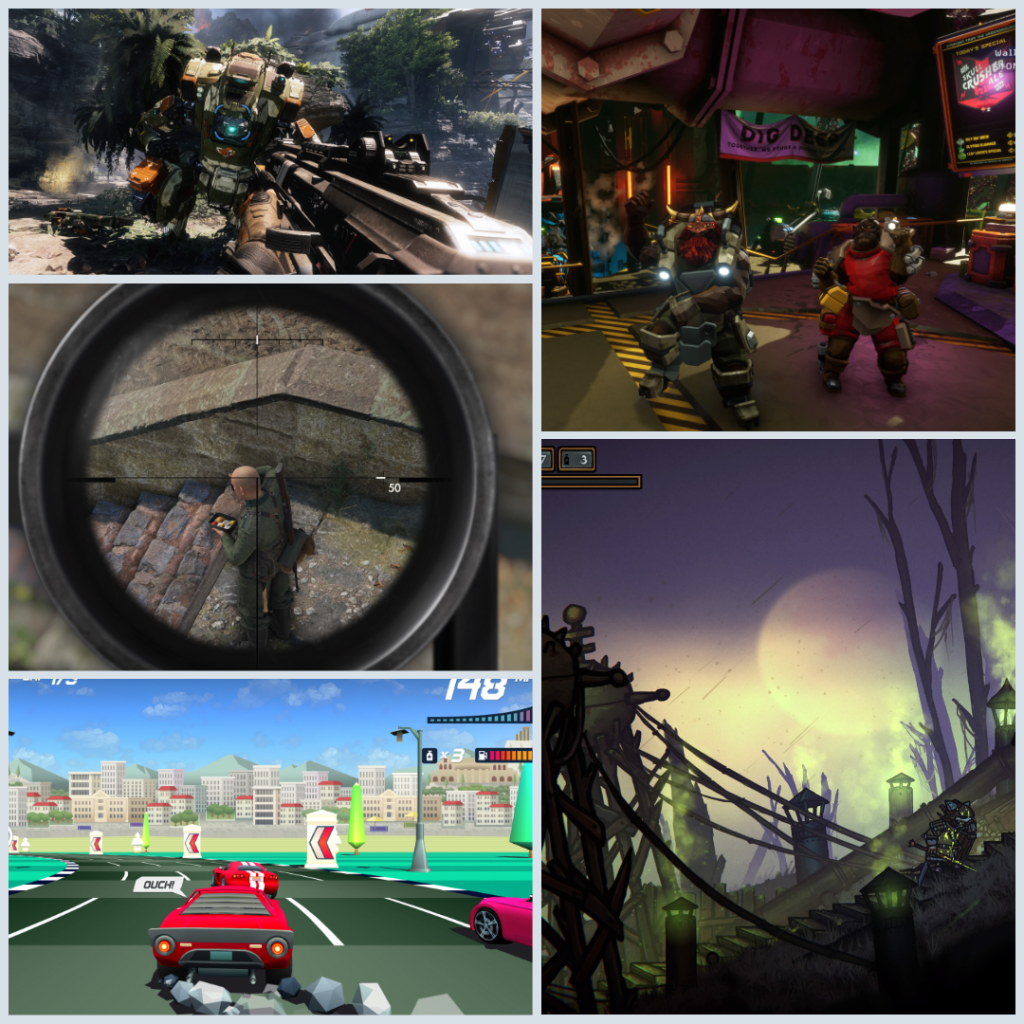
PlayStation Plus.
PlayStation minus money from your bank account for access to an online server that probably doesn’t cost Sony enough to justify their membership fee.
PlayStation divided by two free games each month and multiplied by the time spent playing those games equals indifference, disappointment and occasional delight.
After recently replaying Sniper Elite 5, I felt my dormant love for the series revitalized with every Nazi liver I watched explode via X-ray vision. I couldn’t help feeling grateful towards PS Plus for encouraging me to uncover such brilliant snipe-fests, which had been fittingly hidden in plain sight all along, just like Karl Fairburne himself. I recalled the day I downloaded Sniper Elite 4 (zero dollars or expectations involved) and became quickly absorbed in its sandbox campaign. As shallow as it sounds, the generic title of Rebellion’s sharpshooting adventure (paired with the relatively quiet discourse surrounding the franchise) would most likely never have intrigued me enough to sacrifice some doubloons from my ever-dwindling supply. However, when I saw the fourth installment made available for free in August of 2019, I figured I had nothing to lose by initiating the download, except for some easily reclaimable gigabytes. Soon enough, I was ripping through Nazi organs across beautiful Italian terrain in a campaign so superb that I was inspired to go back and play Sniper Elite 3, as well as purchase Sniper Elite 5 on release, with no regrets whatsoever.
While far too many duds like Farming Simulator 19 have been featured as one part of the PS Plus monthly duo (sorry farmers), Sony has also provided players with several opportunities to discover games they would otherwise not take the risk on purchasing. The reason I roll my eyes when I see, for example, PGA Tour 2k 21 getting the spotlight is that such games are catered to a specific audience that will have already purchased the next annual clone of their favorite sports title long before it’s free. Anyone else will know exactly what to expect from a golf game, and if it didn’t pique their interest before, then removing the price tag probably won’t generate any enthusiasm. This same concept can also be applied to static franchises like Call of Duty, which typically retain the same casual player base who are looking for familiar multiplayer content. The best PS Plus games are the ones that leave you feeling like you just got away with something; the titles that wouldn’t have stood out in a sea of others but end up ironically proving their worth when played for free. What follows is a short list of my favorite PS Plus games since becoming a subscriber.
- Horizon Chase Turbo – July 2019
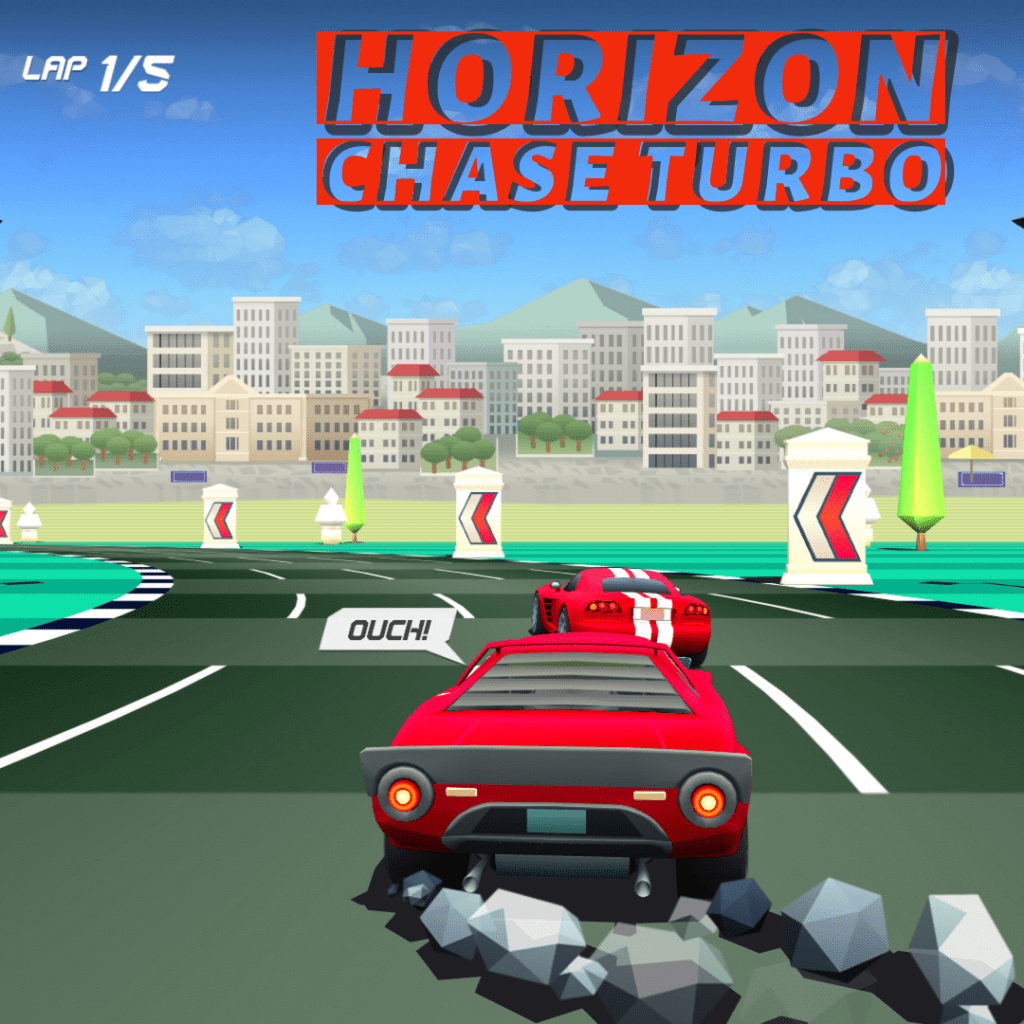
Originally released as a mobile game in 2015 (that I had no idea existed), Horizon Chase Turbo is the 2018 console port of Aquiris Games Studio’s arcade racer. Its cartoonish presentation, simplistic gameplay and addictive nature are obvious indicators of the game’s mobile roots, but that didn’t stop me from chasing the platinum trophy over the course of twenty-five hours. While a game like Fruit Ninja can kill time in the doctor’s waiting room, any investment in racking up a sweet combo (pun intended) is likely to be forgotten as soon as your name is called. Therefore, Fruit Ninja and similar mobile titles aren’t usually considered to be profound games but rather entertaining distractions at best. There were moments when I felt the same way about Horizon Chase Turbo, as I wondered whether I had been manipulated by bright colors and gold trophies or if I was genuinely enjoying myself. By the end of it all, I concluded that the latter was true.
As a fan of Wipeout and Crash Team Racing, I do prefer less realism in racing games. Luckily for me, Horizon Chase Turbo delivers a nitro-fueled thrill ride built entirely around euphoric speed. The road beneath your wheels becomes a blur as you wind your way through a diverse collection of courses set anywhere from Greece to Japan. An airy soundtrack featuring triumphant electric guitar riffs pairs forms a hypnotic union with the saturated scenery. A hint of challenge is provided by occasional battles against the peskily-programmed AI of your top three opponents, as well as tricky turns that take some foresight to negotiate, but I never felt as if rubber-banding or bad controls stood in the way of getting every gold trophy. Once you memorize lap layouts and can anticipate every sharp curve threatening to stall your momentum, the races get even faster and more satisfying. You’ll begin to lap many of the nineteen other competitors, feeling like a dominant speedster as you weave in and out of traffic with slight flicks of the left analog stick.
The aspect of Horizon Chase Turbo that I most appreciated was its variety in game modes, locations and vehicles. I had a blast conquering the World Tour campaign, performing in races hosted by many regions including Australia, Iceland, India and China. Revealing every mystery car was my primary motivator for mastering each course, as there are plenty of fun and sleek models to cruise around in. While it’s totally possible to 100% the game with any car, I did often use new vehicles for their superior handling abilities on particularly loopy tracks, or for their high max speeds on straightaways, so the statistical differences are notable enough to encourage experimentation.
In addition to World Tour, there is also a traditional cup-race Tournament to beat, as well as Endurance mode. During my Endurance run (my final task before unlocking the platinum trophy), I sped through 109 consecutive races, ultimately coming out on top of the leaderboard. I’ll admit this was a bit of an excessive exercise in repetition, yet I was still willing to follow through with it. My focus did begin to fade at the halfway point, but the fact that this modest console port of a mobile game was able to draw twenty-five hours out my life is impressive enough to earn my appreciation . . . or maybe I just have no life.
- Sniper Elite 4 – August 2019
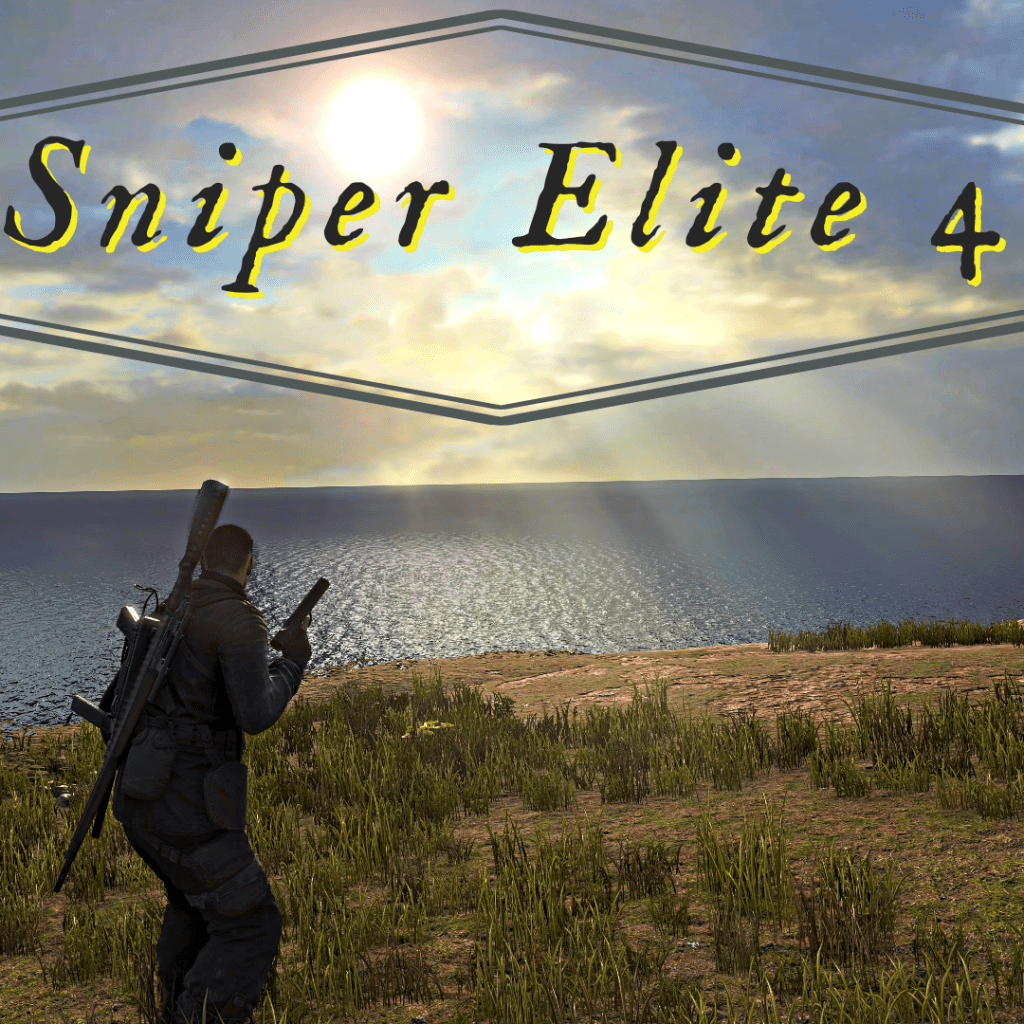
I already mentioned Sniper Elite 5 as the reason I decided to compile this list, but my shame for sleeping on Rebellion’s premiere series first started upon entering San Celini Island (Sniper Elite 4’s introductory level) and taking in the rustic, sun-dappled coast. It was like receiving a visual and audial promise that I was destined to get lost in a new game. The peaceful and picturesque stage on which so much casual slaughter was set to take place felt unsettlingly realistic, as one of the unfortunate truths of war is the obligation to spill blood across beauty. But before I could start philosophizing too deeply about the destructive nature of man, some silly additions like enemies foolishly following the sound of whistling in the bushes, only to be executed by Karl Fairburne, the most nonchalant killing machine I’ve ever controlled, were there to snap me out of my reveries.
Aside from a scene-setting voiceover at the beginning of each mission and a brief chance to speak with a couple of NPC’s, Rebellion makes no attempt to restrain the player. Instead, the developer unlatches your leash and shoots fifty tennis balls out of a cannon, tempting you to chase whichever ones you want, by any means necessary. You can channel your inner Rambo, keep to high ground at 300 meters away, infiltrate villages and Nazi camps with your silenced Welrod pistol like Agent 47 or combine all three of these strategies in some form or fashion. In the first mission, Rebellion makes sure to put you near a convenient stone tower while Nazi infantry shuffles around the farmland below, waiting to be eviscerated. You can either climb up and start firing, or remain crouched in the weeds, slowly and silently slinking toward grey-clad pawns of the Axis powers. My favorite way to play became striking a balance between sniping and close-quarters combat, skewed significantly in the former’s favor (close-quarters can be a nice palette cleanser between finding the best sniper’s nests but pales in comparison to the satisfaction of nailing a target from halfway across the map). There are of course many moments where my plans to remain unnoticed were foiled, so I jumped out of cover and began shooting explosive barrels and tossing grenades around like a demolitions expert who lied on his resume, which is also plenty of fun.
During my first playthrough, I took advantage of the sniping aim assist, which will highlight your crosshair in red once you’ve lined up a fatal shot from far away. However, once my shots were becoming more automatic, I switched over to authentic difficulty and never looked back. Authentic difficulty (with the music muted) is the most immersive way to play these games, in my opinion. The HUD is removed, as well as any aim assist. Each shot takes longer to be sure of, as wind speed and bullet drop have much more influence over the result of every trigger pull. You have no choice but to miss many Nazi’s heads by a mile before you’ll improve. Eventually, the exact positioning of enemies in your crosshairs needed to guarantee a kill will begin to feel somewhat instinctual, as I never boiled it down to an infallible science but became noticeably more confident in my assessments the longer I played. It’s the sort of skill progression that feels earned and, well, authentic. Because each map is so expansive, with several shortcuts and optional paths/objectives, including collectibles and obscure vantage points, it’s not unusual to spend two to three hours sneaking, scanning, scheming, searching, shooting and stabbing.
The trademark of the series is the slow-motion X-ray camera that shows the internal thrashing a Nazi receives, curtesy of Karl’s bullets. Players can reduce the frequency of X-ray killcams or turn them off entirely, but even after over a combined 140 hours spent between three games, I never got tired of watching skulls shatter and balls burst (yes, you can Gewehr-skewer fascist gonads, if you wish). While XP acts as a tangible reward for hitting your shots, leading to unlockable skills and weapon enhancements, there is no greater incentive for plotting doom from a distance than the smile on your faced when that doom is delivered, an indicator of true quality.
- Tails of Iron – April 2023
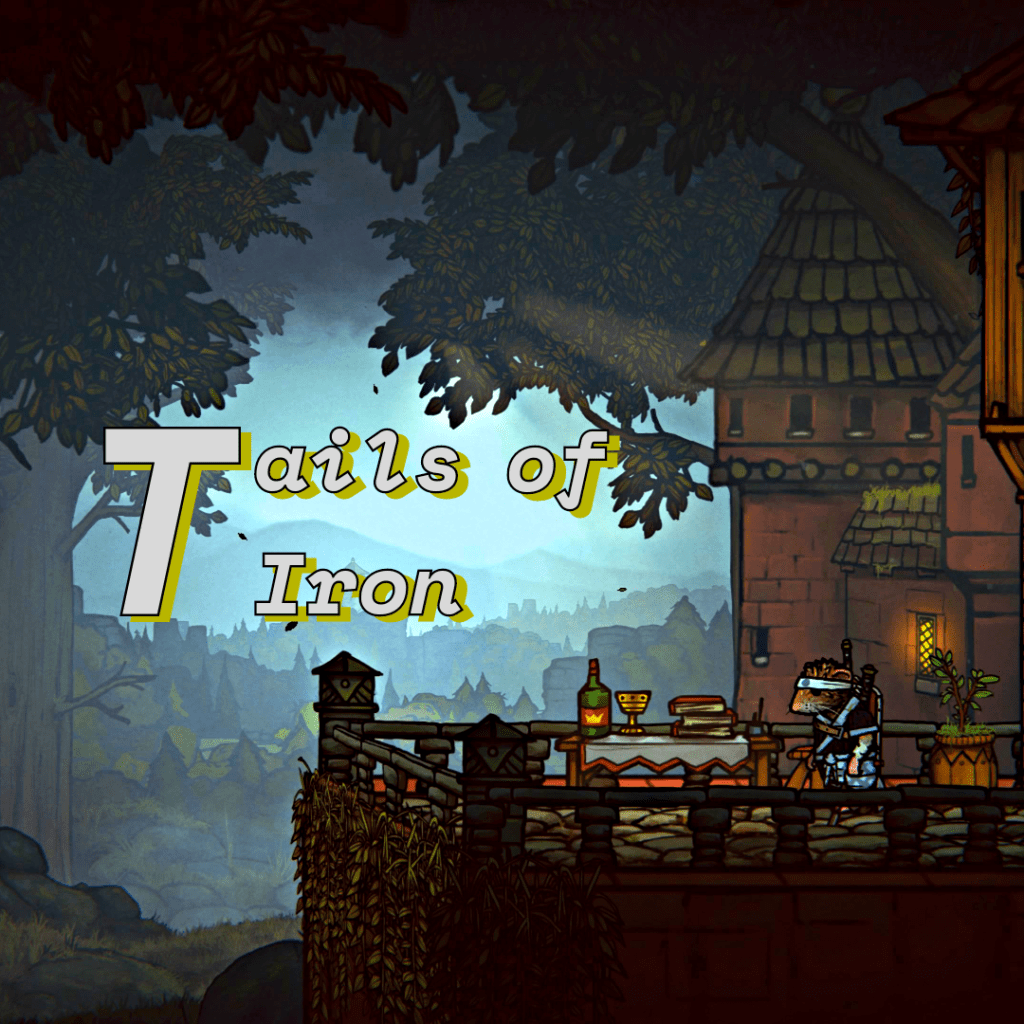
Who knew a game about medieval mice could be so whimsical, savage and mesmerizing, all at once? What’s that? They’re rats, not mice? But that ruins the alliteration in my intro . . . okay, fine, no problem. Who knew a game about regal rats could be so whimsical, savage and mesmerizing, all at once? I sure didn’t, until Odd Bug Studio’s action side-scroller hit PS Plus last year. Upon glancing at the description and screenshots, I was under the assumption that this was yet another metroidvania in a long list of the ones I’d either already played like Blasphemous, or left hanging in my backlog, like Grime and Death’s Gambit. Turns out, Tails of Iron tells a much more straightforward story that doesn’t require copious amounts of backtracking and puzzle-solving to see through, but rather focuses on weighty and disciplined combat somewhat unusual to the genre. Redgie, our humble hero, controls clumsily in comparison to, say, the swift star of Hollow Knight. His movements are floaty, his jump pathetic (maybe because he insists on being bipedal). But Tails of Iron isn’t about speed or traversal. It’s about presenting a fairytail full of bloody swordfights against fat frogs, aggressive bugs and musty moles.
A merciless siege of the rat kingdom by rival frogs sees Redgi’s older brothers defeated, his father killed. After proving himself a worthy heir to the throne by besting his already humiliated brother Denis in a one v. one fight that doubles as a combat tutorial, Redgi sets off on a quest to rebuild his ruined kingdom and slay the gelatinous Green Wart. It’s a charming plot that’s presented exactly like a bedtime story. As Redgi scampers across beautifully illustrated scenery, a narrator describes the events unfolding in a sometimes amusingly wry tone that sounds a lot like Geralt from The Witcher . . . The enchanting storybook framework is soon juxtaposed with difficult fights and callous executions. The first time I plunged my sword through the soft head of an ugly frog, leaving its corpse to sink into the soil below, I was taken aback in the best way. Suddenly, Tails of Iron was no longer an entirely innocent children’s book like The Cat in the Hat. It had an edge to it, like darkly unsettling Brothers Grimm folklore.
To ace the combat, players must continuously block, parry and dodge-roll at just the right time. The parry is particularly satisfying to perform. When yellow bolts flash over and enemy’s head, the force of their next attack can be briefly blocked and redirected back at them, which allows Redgi to sneak in a few slashes, stabs or hacks (depending on whether he’s equipped with a sword, spear or axe). In this way, the parry is not an immediate deflection like it would be in most games. You’ll feel the weight of your opponent before repelling them backwards, which I consider a unique touch on the mechanic that immersed me even more in the struggle between rat and frog. The dodge-roll is where the combat falters slightly, as there are other attacks (signified by a red circle) that cannot be parried or blocked. Therefore, players must tap the circle button twice in a row, as only tapping it once will initiate a step-dodge. Because there is a delay before Redgi gets rolling, it can be difficult to reliably avoid the fast attacks of unrelenting bosses. This results in some frustration, especially because there are no i-frames present to redeem the clunky input requirement.
Tails of Iron didn’t look too interesting from a distance, but once I settled into the endearing legend of a runty rat turned brave king, complete with brutal battles and captivating imagery, I knew this was a special little title that would put Odd Bug Studio on my radar. Although the game can begin to feel too linear and limited late in the first half of its runtime, I was pleased to see a few new environments and challenging optional boss fights appear toward the end. Without PS Plus, I may have never been sold on this rodent romp.
- Titanfall 2 – December 2019
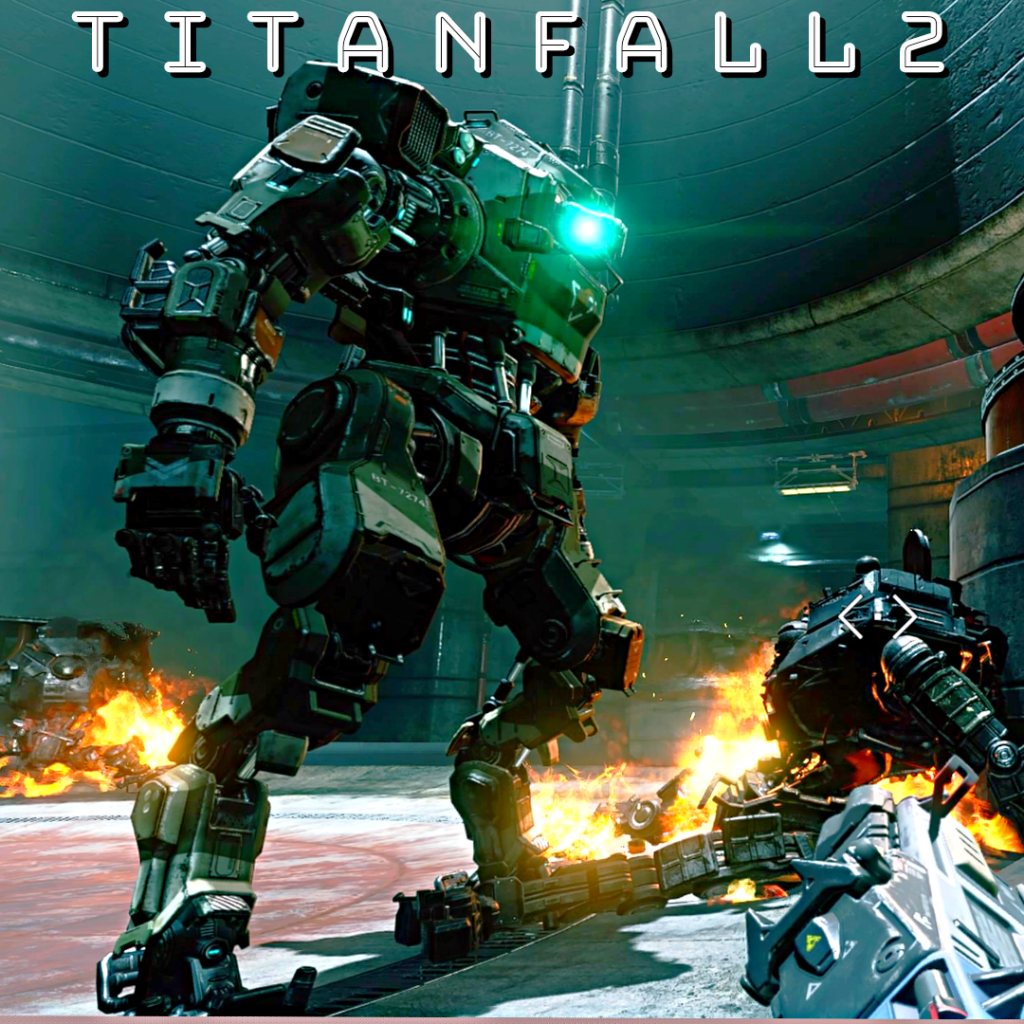
The red flags were waving when I looked into Titanfall 2 back in 2019. The first entry was fixated exclusively on multiplayer content, which may not surprise current fans of Respawn’s Apex Legends. I mean, the name Respawn itself suggests a focus on multiplayer, right? While there’s nothing inherently wrong with that, I’ll always prefer a worthwhile solo campaign to cyclic deathmatches, so I was skeptical that a developer with online-only origins could deliver the goods. The second factor in my hesitancy to try the game were those two evil looking letters all gamers dread . . . EA. I figured anything published by EA must be neutered to fit the most standard of demands. But here I am now, reflecting on what turned out to be a hit blockbuster. Titanfall 2 subverted my expectations. I know we hear that promise a lot from developers when trying to market a game that absolutely will not subvert any expectations at all, but this is what it’s supposed to feel like.
I jumped into Titanfall 2 and never wanted to jump back out, just like protagonist Jack Cooper must never want to jump back out of his trusty mech, BT 7274. After crash-landing on the planet Harmony and witnessing Captain Lastimosa, an experienced Titan pilot, get killed by opposing IMC forces, it’s up to Frontier Militia infantryman Jack Cooper to synchronize himself with Lastimosa’s mech, BT, and end IMC’s ambitions of causing mass destruction. The premise is direct and unfolds in a mostly predictable fashion, but the creativity of the level design, smooth parkour movement, chaotically destructive mech battles, and a cleverly written relationship between Cooper and BT that makes you root for the duo as you control them during countless firefights were pleasingly unpredictable ingredients in a game that easily could have felt like just another lifeless FPS trying to copy Call of Duty’s linear cinematic style. Though the game is indeed linear, it never stops treating the player to brilliant set-piece levels that compliment their ability to wall-run and double jump amidst a hectic shootout. There’s a factory that builds mock houses as you catch rides on moving platforms and avoid being crushed by hydraulic machinery, as well as a facility where Jack Cooper must use a wrist-mounted device to warp back and forth between the spotless past and the ravaged present, resulting in some impressively thoughtful gameplay that requires quick reflexes to realize when and where timelines should be swapped, even in midair.
You’ll be hopping in and out of BT as the game goes on. Controlling the Titan is a lot of fun due to the optional loadouts available to experiment with at any given time as soon as you stumble upon and unlock them. In addition to having its own primary weapon, like a giant machine gun or rocket launcher that propels auto-targeting missiles, each loadout also contains different skills like a bullet-catching forcefield that shoots frozen bullets back at an enemy or a smokescreen that electrocutes anyone caught in its radius. The standard mech enemies you’ll fight aren’t too difficult to take down, unless they appear in large numbers, but boss fights against the brutish mech-piloting mercenaries hired by IMC, who act as exciting boss fights, can require players to change their approach and figure out exactly which loadout will counteract each boss’ central strengths.
Even though I may have offended some multiplayer fanatics with the way I introduced this entry, I never said I hated jumping into competitive online play every now and then, hence why I did give Titanfall 2’s online game modes a chance. It was, without a doubt, the most fun I’ve ever had playing team deathmatches. The seamless transition between on-foot and mech combat, paired with increased maneuverability provided by wall-running, boosted leaping and sliding had me lingering around in lobbies for entire afternoons, chomping at the bit for more ballistic intensity. The use of (clearly identifiable) bots to bolster each team’s forces is also worth noting for the way it keeps you on your toes at all times, creating diversions for every player, so that the sense of grand-scale warfare is expertly preserved.
It seems Respawn has moved on from Titanfall, whether intentionally or at the insistence of EA, and I don’t know if that’s such a bad thing. The second game is a concise slice of exhilaration, wonderfully paced and sitting just on the edge of the old and new, caught between tame and experimental shooters in a way that results in the game earning a reputation of lightning in a bottle, at least in my opinion. If attempted again today, especially if backed by EA, the results of a Titanfall 3 may not be able to capture that same magic.
- Deep Rock Galactic – January 2021
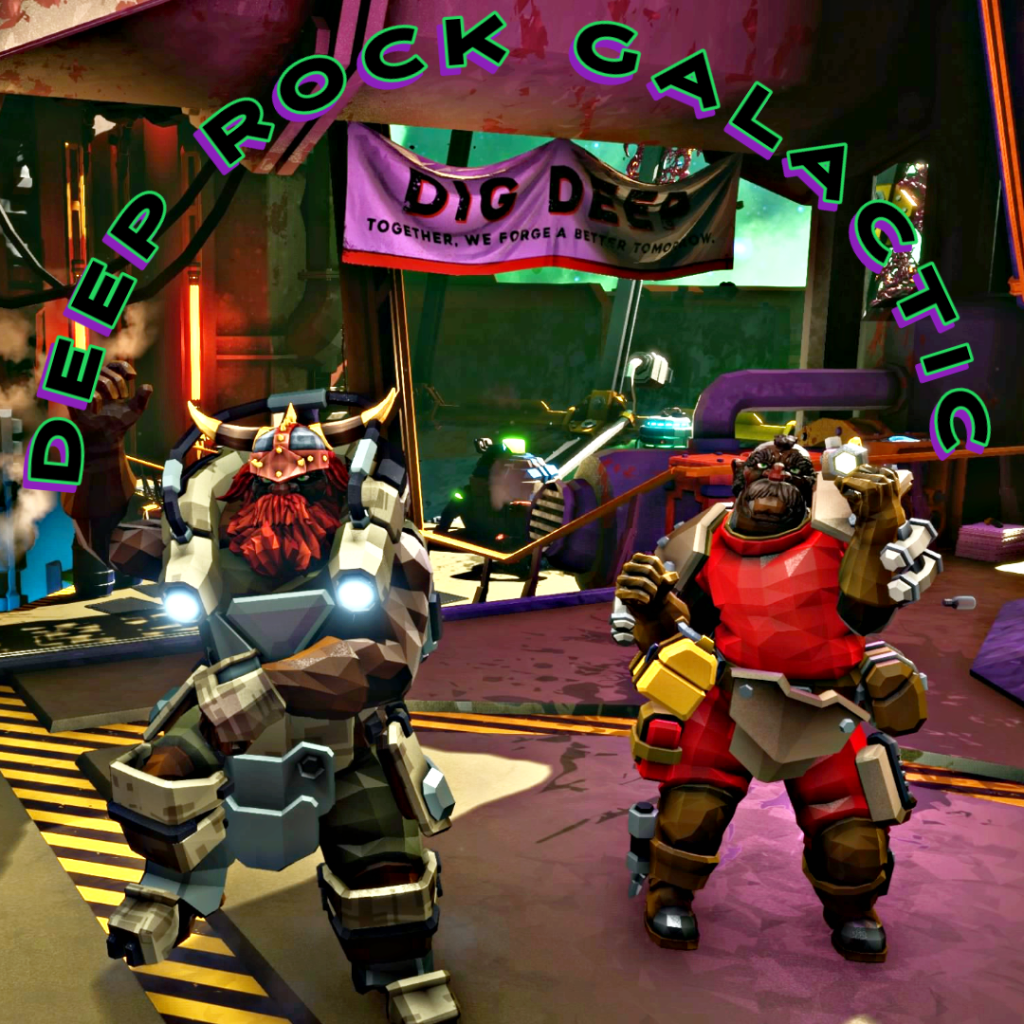
Rock and stone forever!
If you didn’t read that first sentence in the gruff voice of a half-drunken dwarf who just got off the night shift at 2,000 meters below, then you haven’t played Deep Rock Galactic, the first-person shooter/miner from Ghost Ship Games. If you have a buddy who’s willing to head to the alien planet of Hoxxes IV for some good ol’ mineral grinding and mutant bug blasting, then you should try it out.
Deep Rock Galactic is the titular mining corporation that sends heavily geared dwarves into hazardous, hostile environments in search of lucrative resources that can be pickaxed off cave walls and dumped into a four-legged robot storage container, or M.U.L.E., lovingly dubbed Molly by the miners. While attempting to make their employers richer, the dwarves are hassled by the pompous voice of Mission Control and often harassed by hordes of creepy crawlers that come from the walls to protect their dark, gainful dwellings.
The game functions like a virtual job, but we aren’t writing memos and punching data into our keyboards. This is a futuristic 9 to 5 where dwarves ride a gigantic drill down into subterranean biomes with the intention of shoring up various tasks including harvesting alien eggs, salvaging lost and broken M.U.L.E. units from a previous assignment gone wrong and eliminating gigantic creatures causing problems for the company. The dwarves are satirically aware of their expendable positions and will often comment on whether digging around in the belly of an extraterrestrial space rock covered in green goo from burst glyphids (the insect species that wants them dead) is the most beneficial way to carry out their short lives. But, just like the rest of us, they keep coming back to put food on the table and beer in their bloated guts.
While the dwarves may not enjoy such harrowing incursions, it’s easy for players to become vicariously absorbed in the engulfing atmosphere of each new colorful environment. When a horde of glyphids isn’t nipping at your heels, the quiet echo of every thrown flare clanking along the ground as you make your way deeper into the recesses of a procedurally randomized hollow will lull you into a relaxing rhythm of mining resources and gradually discovering key items needed to progress. Then Mission Control comes on the radio out of nowhere and yells, “Swarm! Swarm! It’s a big one, team” and you’re forced to survive a sudden onslaught of angry glyphids. Swarms happen at undetermined intervals, but the longer your mission takes, the more you’ll encounter. To stay prepared, you’ll have to mine a glowing red crystal called Nitra, present in some capacity within every cave. Once you’ve gathered enough, a resupply pod containing ammunition and health will be dropped down from your ever-gracious overlords. This is one of the details that helps Deep Rock Galactic remain so enthralling, as even something as simple as ammo replenishment is tied to in-game mining rather than, for example, making resupplies available once an arbitrary amount of time has gone by, or at the end of every successful horde survival.
Each dwarven miner will of course be equipped with their very own pickax from the get-go, but their other tools depend on whichever class they identify with. There are four classes available; a Gunner who appropriately wields a chaingun and can also create zipline routes to reach distant areas, a Driller who can create tunnels in an instant with two huge handheld drills, a Scout with a grappling hook, high intensity flares and a sawed-off boomstick, as well as an Engineer that burns bugs with his flamethrower and uses a platform gun to cushion his falls off steep ledges or enable his climb up to those ledges in the first place. Now, here’s where I tell you that Deep Rock Galactic is a far superior experience on co-op than single player. I’m not saying single player is pointless, but the synergy created with different classes adds to the enjoyment and productivity of each mission, preventing the same assignments from feeling too grindy and stale. Besides, doesn’t everyone need a coworker to suffer through a shift with? The post-work celebrations my cousin and I have together at The Abyss Bar on the hub ship are the kinds of silly bonding experiences only videogames can provide. Ordering another Oily Oaf brew, turning on the jukebox, and watching our dwarves dance and drink themselves into a literal coma never fails to bring a smile to my face.
So, what are you waiting for? Don’t you want to pay your bills? Then jump on into the drop pod, slap those fuzzy dice for good luck, raise your pickax into the air and scream, “Rock and Stone” to get yourself pumped for company profits! We’ll be taking off in five seconds. Oh. And there’s an exploder infestation present in the area. Be safe, team!
Looking at this list, I’m quite surprised to see what made the final cut. These games are all unrelated to one another and appealing in their own unique ways. While Titanfall 2 and Sniper Elite 4 are probably the most well-known entries, I feel all five of these titles don’t receive loads of mainstream attention, which further validates their inclusion. In my opinion, as I stated before, the true purpose of PS Plus should be to introduce players to games that deserve their attention but may not receive their financial support. This helps build relationships between players and developers that otherwise wouldn’t exist, which can in turn create more buzz for a developer’s future projects and/or more interaction with their established catalogue. So, while PS Plus reveals miss the mark more often than they hit it, the idea itself has my support. There have also been many other great titles released that I didn’t cover, mainly due to the fact I had already purchased the game before its price tag disappeared for thirty days, like Hollow Knight and the currently featured Rollerdrome (both excellent experiences). There have also been remasters like Borderlands The Handsome Collection that I did download from PS Plus for the sake of convenience, but only after pouring hundreds of hours into the original releases. Therefore, these great games, and many others, didn’t meet the guidelines for this particular list. Looking ahead to the March lineup, everyone should add Sifu to their libraries before it’s too late. Thanks for reading!
 GotMeThinkingGames
Leave a comment